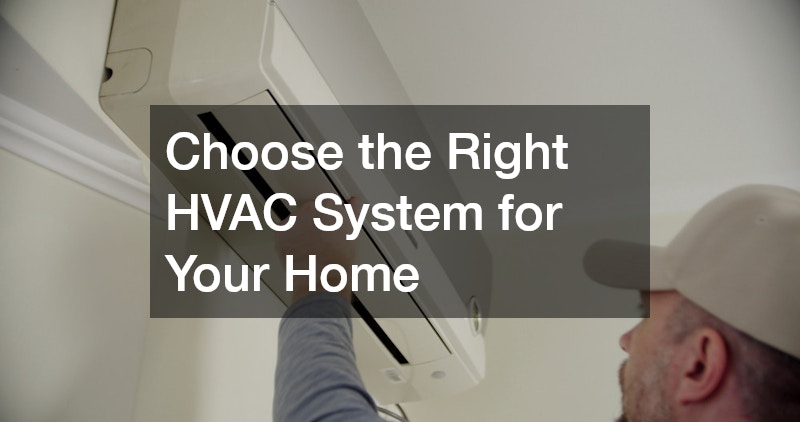
An HVAC system, or Heating, Ventilation, and Air Conditioning system, is a crucial component of modern homes and offices. It regulates indoor climate, ensuring comfort through the management of airflow and temperature. Given the complexity of these systems, understanding how they work can be incredibly beneficial not only for optimizing their functionality but also for maintaining them efficiently.
This article aims to shed light on the fundamental aspects of HVAC systems, various types available, maintenance tips, common problems, and solutions, as well as guidance on selecting the right system. Dive into our comprehensive guide and enhance your understanding of this essential home appliance.
1. How Does an HVAC System Work?
HVAC systems function by moving air between the inside and outside of a building. The process often begins with the intake of fresh air, which is then conditioned — either heated or cooled — before it is circulated throughout the home. The refrigeration cycle within the system plays an integral role in this process, involving components such as the evaporator coil, condenser, and compressor to transfer heat. Heating and cooling are often unified under one system, allowing for streamlined control and increased efficiency. Understanding this process is crucial for recognizing potential signs of inefficiencies or malfunction within the system.
The operation of an HVAC system relies heavily on its control mechanisms, which include thermostats and sensors. These components work together to maintain desired temperatures and monitor environmental conditions, ensuring an optimal balance is achieved. Many modern systems have adopted smart technology, enabling remote access and more precise control via smartphones or tablets. Such advancements not only enhance user convenience but can also lead to energy savings and reduced utility bills. While technology enhances functionality, manual inspections remain essential to detect any underlying issues.
Another critical aspect of HVAC systems is their ability to maintain indoor air quality. Filters play a significant role here, trapping dust, allergens, and other particles before air recirculates. Regular maintenance like changing filters and cleaning ducts ensures that air remains clean and the system operates efficiently. Moreover, proper ventilation helps prevent moisture buildup, which can lead to structural damage or mold growth. Understanding the working components of an HVAC system empowers homeowners to make informed decisions about their HVAC usage and maintenance.
2. What are the Different Types of HVAC Systems?
HVAC systems come in various types, each suited to different needs and building designs. The most commonly used type is the central air conditioning system, which connects to ductwork in homes and commercial spaces. This system provides uniform cooling and heating and is typically more efficient for larger spaces. However, installation costs can be relatively high, and the maintenance of extensive ductwork may pose challenges. Another common type is the ductless mini-split system, which allows for zoned heating and cooling without the need for ductwork.
Ductless systems are ideal for individual rooms or areas that need temperature control independent of a central system. They provide flexibility, as units can be installed in new additions without extending ductwork. Additionally, these systems can be more energy-efficient, as they eliminate the energy loss associated with ducts. Geothermal systems are another option, utilizing the earth’s constant underground temperature to provide heating, cooling, and even hot water. Although geothermal systems involve higher upfront costs, they offer significant long-term savings and are environmentally friendly.
Packaged heating and air conditioning units are designed for homes lacking space for separate indoor and outdoor units. These systems contain all components in one outdoor unit, making them compact and easy to install. However, because they are exposed to elements, they may require more maintenance to ensure longevity. Finally, hybrid systems integrate traditional heating and cooling with renewable energy sources like solar or wind, offering an eco-friendly solution while reducing dependency on fossil fuels. Each type of HVAC system presents unique advantages and drawbacks, making it essential to consider specific needs and circumstances before selection.
3. How to Maintain Your HVAC System?
Maintenance is crucial in extending the lifespan and efficiency of your HVAC system. A system that is regularly maintained operates more efficiently, yields fewer breakdowns, and subsequently incurs lower repair costs. Routine tasks like changing or cleaning air filters should be performed monthly to prevent dust buildup and improve air quality. Meanwhile, an annual professional inspection is recommended to assess the overall system health, address minor issues before they exacerbate and ensure the system is operating safely. Maintenance not only enhances performance but also contributes to energy savings, benefiting the environment and reducing household expenses.
One crucial aspect of maintenance is keeping the outdoor unit clear of debris and vegetation, ensuring proper airflow and operation. Regular checks should be made to remove leaves, dirt, or any obstruction to the fan and coils. Additionally, checking the thermostat settings for accuracy and efficiency can prevent unnecessary energy use. Considering installing a smart thermostat can offer better control, enabling precise scheduling and remote access. Such proactive measures significantly reduce the likelihood of unexpected system failures, hence providing peace of mind for homeowners.
The ductwork in your home also demands attention, as leaks or obstructions can severely impact the system’s efficiency. A certified technician can conduct a thorough duct inspection, sealing any leaks and cleaning dust or mold buildup within the system. Furthermore, once a year, it is advisable to lubricate moving parts and check for unusual noise, vibrations, or odors, which might indicate underlying problems. The regular practice of these maintenance activities not only ensures peak performance but can also extend the lifecycle of your HVAC system.
4. What are Common HVAC Problems and Solutions?
As robust as HVAC systems are, they can sometimes encounter issues affecting their performance. One of the most common problems is a dirty air filter, which can restrict airflow, causing the system to work harder than necessary. The solution is simple: replace or clean the filter regularly to maintain efficiency. Another issue involves thermostat malfunctions, where the system either doesn’t turn on or doesn’t maintain accurate temperatures. Upgrading to a programmable thermostat and ensuring its settings are correct can mitigate such problems.
Leaking ducts are another frequent concern, leading to energy loss and inconsistent temperatures across rooms. Regular inspections, particularly by professionals, can detect these leaks, and sealing them promptly will restore efficiency. Refrigerant leaks present more complicated issues; they not only reduce cooling efficiency but also harm the environment. Professional technicians are required to accurately diagnose and repair refrigerant leaks, ensuring safe handling and replacement. Moreover, strange noises from within the HVAC system, like bangs or hisses, could signify loose parts or system pressure issues, which should be addressed immediately to avoid further damage.
The occurrence of frozen evaporator coils is a sign of airflow problems, often resulting from clogged filters or low refrigerant levels. Addressing airflow issues and performing routine maintenance can prevent this scenario. Any odd odors should not be ignored either, as they may indicate mold growth within the system or electrical problems. Engaging with qualified professionals for regular maintenance checks is the best measure to diagnose potential issues before they develop, safeguarding the system’s longevity and your comfort.
5. How to Choose the Right HVAC System for Your Home?
Selecting the appropriate HVAC system for your home involves a variety of considerations, from size and capacity to energy efficiency and cost. The system must be suited to your home’s specific needs, meaning that larger homes require systems with greater outputs to maintain the desired indoor climate. An HVAC specialist can perform a detailed heat load calculation to determine the most appropriate capacity for your system. Choosing a unit with an efficient energy rating, such as those with a high SEER (Seasonal Energy Efficiency Ratio), can result in substantial long-term savings and a lower carbon footprint.
Beyond capacity and efficiency, it’s also important to consider new advancements in HVAC technology, like smart thermostats and zoning capabilities, designed to enhance user convenience and comfort. Zoning systems, which allow you to control different temperature zones within your home, can result in additional energy savings by not cooling or heating unoccupied areas. Moreover, understanding your preferred method of heating and cooling, whether it be through traditional fuel sources or more sustainable options like geothermal or solar, is essential in choosing the right system. Such decisions should align with your sustainability goals and budgetary constraints.
Finally, it’s essential to consider the installation and maintenance aspects of HVAC systems. While cheaper systems might be tempting financially, initial savings could translate into higher maintenance and operational costs over time if the unit isn’t suited to your building structure. Engaging with a reputable HVAC contractor ensures proper installation and provides guidance on warranties and ongoing maintenance agreements. Taking the time to carefully evaluate these factors will ensure a more comfortable, efficient, and cost-effective choice, contributing to increased home value and satisfaction.
The HVAC system plays a vital role in ensuring comfort and air quality in both residential and commercial environments. Understanding the functionality, types, maintenance routines, potential problems, and selection criteria empowers homeowners and property managers to maximize system efficiency and lifespan. With the right knowledge and practices in place, you can enjoy a comfortably regulated home while minimizing expenses and environmental impact. Whether you’re installing a new system or maintaining an existing one, make well-informed choices to ensure an optimized and efficient HVAC experience for years to come.